
← All episodes
Walk-Ins Welcome · Ep. 214
Ep. 214: Get Paid Faster: Solving the Patient Billing Problem in Urgent Care – Interview with Guy Bergman & Ed Sherlock from Inbox Health
About this Episode
When it comes to urgent care profitability, getting patients in the door is only half the battle. Getting paid is the part no one likes to talk about, but it is where many clinics quietly bleed revenue.
In this episode of Walk-Ins, Nick and Michael sit down with Guy Bergman and Ed Sherlock from Inbox Health, a platform built to modernize patient billing and remove friction from one of urgent care's biggest pain points. With decades of combined experience across urgent care, health IT, and revenue cycle management, Guy and Ed break down why patient payments now account for as much as 20 to 30 percent of urgent care revenue and why most clinics are leaving a large chunk of that money on the table.
The conversation dives into what really causes billing breakdowns, how front desk pressure and poor communication fuel one-star reviews, and why relying solely on an EMR to collect patient balances is no longer enough. From digital-first billing and self-service payment plans to AI-powered billing support and real-time analytics, this episode is a masterclass on how urgent cares can shorten collection timelines, cut call volume, and improve patient satisfaction without adding more stress to already overworked teams.
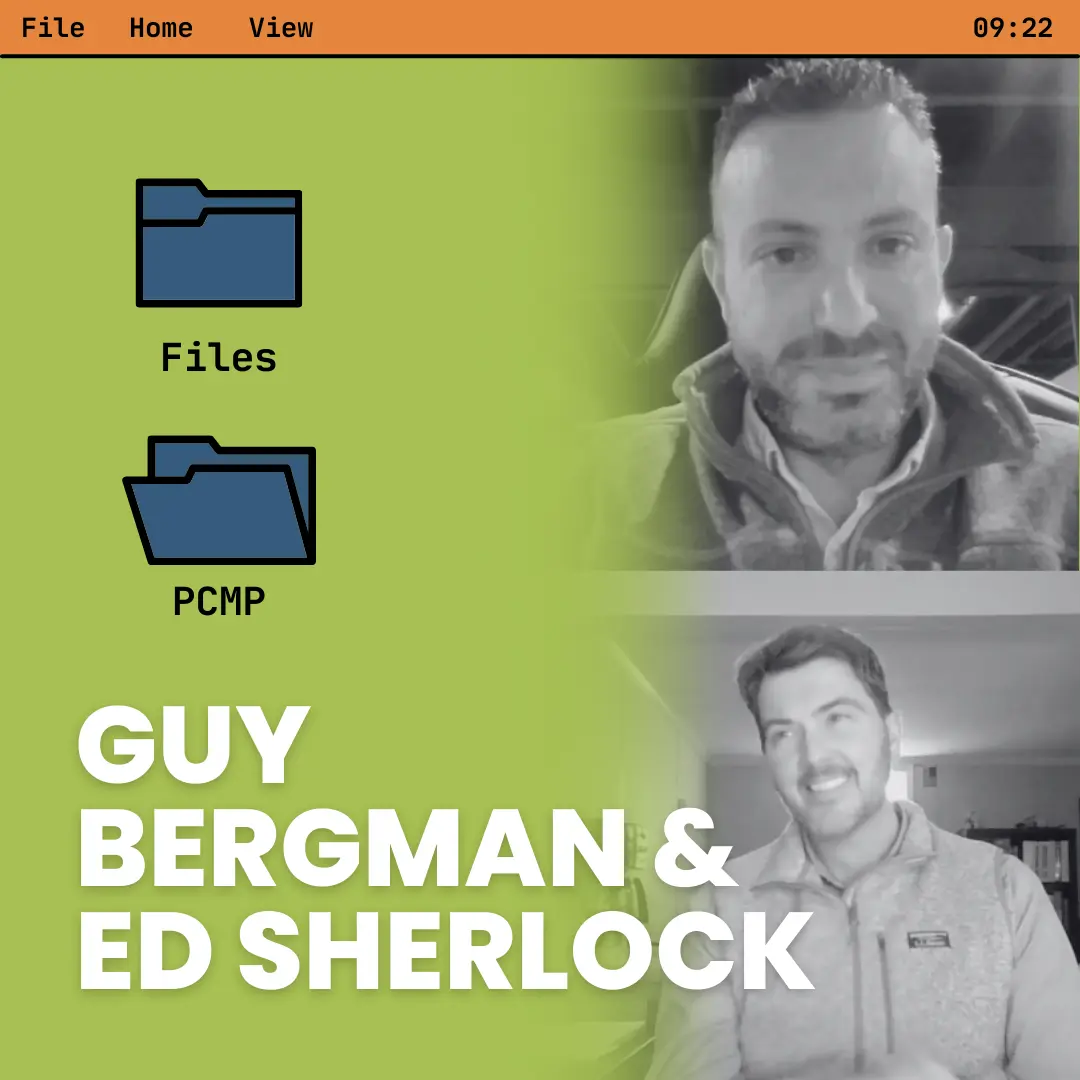
This Episode's Guest
Guy Bergman & Ed Sherlock
Inbox Health
Guy Bergman has spent over a decade in healthcare, including nearly six years working directly with urgent care clinics nationwide. Now at Inbox Health, Guy helps urgent care groups modernize their patient billing experience and collect every dollar they are owed. Originally from Cleveland, Ohio, Guy still calls it home!
Ed Sherlock is the SVP of Sales at Inbox Health with more than 15 years of experience in health IT and revenue cycle management. He previously spent seven years at athenahealth and brings deep expertise in helping healthcare organizations streamline billing operations and improve financial performance. Ed is also known for getting out of his comfort zone, including getting married in Turkey.
Learn more about Inbox Health: https://www.inboxhealth.com
Connect with Inbox Health on LinkedIn: https://www.linkedin.com/company/inboxhealth
Watch the Episode
Episode Transcript
PCMP (00:00) Hey, what's going on everybody? You're here for another episode of Walk-Ins. Welcome brought to you by Patient Care Marketing Pros. I'm excited to say that for the first time fluidly into a podcast intro. That's good. I tell you what, while all the other podcasts are slowing down and putting on the brakes and getting ready for Christmas, we are bringing you value today. I'm excited because we want 2026 to be the most profitable year for your urgent care. And the best way to do that is to get your money. Get your money for sure. So right before we started this recording, we talked about how in the urgent care space, getting paid is probably one of the most frustrating and biggest pain points in the urgent care space. sure. You know, we're on the marketing side quite a bit. So we fill it too, because if our client isn't getting paid, we're not going to get What's the first thing they decide not to pay, Michael? Exactly. marketing. So when patients don't pay, it's a problem. Anyway, so we're bringing you guys a Guy Bergman (00:35) you PCMP (00:51) Inbox health today. So they are all about the patient billing process and all of that. We understand it's very hard to get that bill paid by that patient. And then they're helping ease that process and clean up everything. I'm not going give all the details. I'm going to let them do it. So, but we have Guy Bergman on the call and Ed Sherlock. So Guy has been in the healthcare space for over 15 years. So been there for a while, six years in the urgent care space specifically. So that's really awesome. Like he's seen a lot, right? Cause at six years I was like, right before COVID, right in the heart of COVID and now post Hey, let's jump in here and watch the world burn. Yeah, let's just watch urgent care suffer because COVID is no longer there to lift them up. And then we got Ed over here. So Ed's pretty cool because he has eight years experience and an expert in seven years at Athena Health, which is really awesome because he's seen so much tech in the urgent care space between those two companies. I mean, it's just amazing the information being brought to the table today. So excited to have him. Absolutely. And I know between the two of them, they're all about helping you streamline getting those payments in house. But before we get into all the fun things about the software, Ed, Guy, welcome to the podcast. Tell us one thing about you that nobody knows. Nobody knows you anyway, so you can make up whatever you want. And whoever wants to go first, go first. Welcome to the podcast. Guy Bergman (01:59) Thank Yeah, I can go first. Thanks for having me on. In terms of the question, something about, I don't know, nobody knows, but it's kind of a hobbyish thing that turned professional when I was younger. During that online poker boom, I very close to quit my job and wanted to turn pro in playing online poker. Did well for a couple months and then like everything else associated with. Gambling it didn't go well and and I had to to continue my job But one thing I that nobody knows or maybe a couple people know is during that time where I made some good money playing online poker I went to Vegas Where else right? And then I I won a tournament at the Bellagio for $46,000 I came in first place and then ⁓ It was really cool. I mean it lasted like two months because I was young PCMP (02:52) That's outstanding. Guy Bergman (02:58) and thought I'd do that every week, which turned out it didn't happen. But that's something that not a lot of people know, not necessarily that I'm not proud of, it's just something I don't talk about very often. ⁓ PCMP (03:08) All right. Ed Sherlock (03:12) Wow, that's news to me for sure, Guy. And this is Ed, by the way. So, and again, thanks guys for having us on today. Something that nobody knows about me, well, I mean, guess it depends on how close you are to me, but I got married in... in Turkey. I met my wife in school. I'll spare you the details. Let's just say that, you know, one thing about me is that I'm not afraid to get out of my comfort zone. And I think it's always important for people to go after what they think is the best fit for them. So that's a little bit of my background if you don't mind me saying so. PCMP (03:44) No, I love that so much. So Turkey, again, ignorance is about to come out and I apologize in advance. Is that where the Taj Mahal and everything is? Okay, ignorance, right? Guy Bergman (03:46) Hmm. Ed Sherlock (03:51) No, that's it. No, no, but there's lots of cool things in Istanbul. There's a lot of really cool old buildings like the Blue Mosque and Hagia Sophia and a few other places. yeah. PCMP (04:02) Well, two cool stories. I had a friend of mine that played a poker professionally when in the, in the early two thousands and a similar story that he shot up like a bottle rocket and then exploded. Guy Bergman (04:12) We all think we can get it. I saw the movie Rounders and I was like, that's me. then it didn't go as planned, but. ⁓ PCMP (04:17) That's it. Modern day version of that, think is cryptocurrency, that's a whole other story. Awesome. Well, listen, I want to get into the podcast and we're going to start talking about how we can get our urgent carers collecting their money. Right? So first of all, introduce your software. Tell us what problem it's solving. Guy Bergman (04:25) Swag the ride. Yeah. Inbox Health is a platform designed to increase revenue on the patient payment side of things, right? Where until recently, it wasn't thought of as something super important because we all know insurance is where most of the revenue comes from. But as insurance changes and high deductible health care plans are more prominent, the patient side of things, know, where patient gets a bill in the mail and they're like, hey, you owe whatever amount. that is becoming more and more significant as more responsibility is put on the patients. And urgent care specifically being that margins are very thin in urgent care, they're looking for any way to increase revenue. So what we help do is guide the patient through that process, make it easy for them to pay, make it easy for them to get and understand what they owe. But the main thing is communicate and ask questions because we've all gotten bills and we're like, I don't think I owe this, this doesn't seem right. PCMP (05:14) Right. Guy Bergman (05:33) and then you don't pay the bill, you put it in the trash or you set it aside and say, I'll get to it later, and you never do. And that's happening a lot in urgent care, and that adds up, right? It can make up sometimes 30 % of an urgent care's revenue, 20 to 30%. So what we're doing is kind of being able to facilitate in that platform for a patient to ask questions, get quick answers, while they're in that moment of viewing their bill. So they can get their question answered fast, and then make it easy for them to pay their bill and. What I mean by easy is one to two taps or clicks, whatever you want to call it, on the phone or computer, and then all the modern payment options, Google Pay, Apple Pay, HSA, FSA, ACH, whatever. And then another huge problem we're solving is affordability, where in today's world, getting that payment is something maybe you can't swing that month with mortgage, children, groceries, Netflix, et cetera. So we make that problem of affordability by self-payment plans where patients can pick out their own payment plans to solve for that. So overall what we're doing is removing barriers for the patient, making their patient journey through the financial side as easy and simple as possible. And then obviously on the organization side, making their patients happy and then obviously an increase in revenue which so it's a win-win on both sides. PCMP (06:54) you you talk about making the patient happy, we see a lot of Google reviews in our line of business for urgent care. Urgent care is probably one of the most popular Google review niches. Anyway, but I would say at least half of the negative one star reviews is a billing related thing where I got this random bill or they double, you know, just chaos. And then of course, the response from the urgent care is please call us. Right. That's all they say. They can't say anything. Guy Bergman (07:24) Yeah, yeah, that's exactly right. And the tough part is with, I mean, with anything, but with urgent care specifically is they can do everything right, right? They can have a really great way to set up an appointment. The clinical visit could be amazing. The doctor did a great job or, you know, the NP. And then comes the financial part, the second half of it. And if the patient's frustrated, all that went well beforehand is not remembered and the patient will leave a bad review. because they're frustrated on the payment side of things. So it's important for that urgent care because it is retail medicine. They're really not brand loyal. They can go anywhere. It's important to get everything from A to Z right so that patient keeps coming back because again, everything can go right. You can hit nine out of 10 things and then that payment side is wonky and then that patient will get frustrated. PCMP (08:19) When you talk about getting it right, I know that there are typical billing breakdowns along the way. Like there's a process that falls apart at some point. Why is it so hard to get this part of the billing right? This experience right? Guy Bergman (08:20) Thank I think it comes down to a lot of things. There's confusion with the payer. And you guys know this, a lot happens at the front desk, right? Things get missed, processes need to be followed. If there's any sort of breakdown at the front desk when they take the insurance, when they collect a copay, things... And sometimes people use disparate systems where one doesn't talk to the other. And if anything gets missed or mixed up, the patient... PCMP (08:41) Right. Guy Bergman (09:00) feels that on the other side when their payments do. And that's kind of where that confusion comes from, where they'll say, I don't owe this. And then you call, and they have to call and sit on hold, or they have to call their insurance. And that's something we don't want the patient doing. They don't want to sit on hold. And they don't want to question their bill. So it's a lot to do with the front desk, with insurance, and then sometimes with systems that aren't communicating correctly. PCMP (09:25) Right. And I think as an audience member, they're probably listening, well, I have an EMR that, air quote, takes care of all this. But then there's my challenge to the audience. I'd for you to pull some reports and say how many outstanding bills are out there with patients that you just are never going to see. They're over six months old, right? Because if you have a ton of them, Guy Bergman (09:26) Good. PCMP (09:48) your EMR isn't doing everything it can or maybe it's just limited. Can you talk about how like an EMR can do some things, but it's just there's a really kind of a block at some point, right? Where a simple text of you owe us money isn't going to cut it. Guy Bergman (10:00) Yeah, Ed, can, you feel free to jump in. Ed Sherlock (10:03) Yeah, I mean, one thing I would say about that question is that, you know, there are features functionality that are very much tied to the performance of your front desk. You know, so you had mentioned that earlier. Oftentimes in the urgent care world, the folks that are running the front desk aren't usually the best trained or best compensated perhaps. And you're relying a lot on your revenue cycle for the data capture at the front end. So I think calling that fact out and relying on, you know, potentially a weak link in the process and then relying on, you know, a system that's built to do a lot of other things, but nothing specifically really well to get you paid for what is, as Guy mentioned earlier, up to 30 to 35 % of your revenue, particularly earlier in the part of the year when everyone's in the thick of their deductible, which is about to come up on us right now. PCMP (10:53) I'll tell you, Ed, with the hundreds of urgent cares that we've worked with, I'll say locations, not individual brands, but just the locations we worked with, the difference in a successful clinic and one that is struggling or about to close is that front desk person that you're talking about. And I think you mentioned a few things. One, they're not well trained. Two, they're not well paid. But three, they don't always have the right tools. Guy Bergman (11:17) Ahem. PCMP (11:18) And that's, you know, at the end of the day, what are, what are the arsenal of tools that are going to help me do my job effectively? And what is the one thing that everybody hates in every company ever collecting money? They hate it. Like, and so you're, you're almost eliminating or at the very least significantly lowering that barrier for somebody to be successful in that role. Ed Sherlock (11:39) Yeah, and that individual to your point, like, you know, he or she, they're the welcoming face that that person that went into the marketplace is shopping for their care. They have a need. They have a need for their family. That is the first individual that greets them. And, you know, as a business, you want that to be a positive first experience because, you know, what we've seen over the last however many years is that there's another urgent care down the road. PCMP (12:04) I love how the software has, I was going through and I was looking through it, watching the videos on your YouTube channel. And there's, there's, you have multiple facets of it. You have the, the client, I'm sorry, the patient facing side, which you're getting communicated with. Here's a reminder pay is so easy to deal with, but how is this software making it easier for that front desk or for that provider? You got a great dash, all the features of the software that are not patient facing, but doctor facing. Guy Bergman (12:34) Yeah, so it really does help that front desk or billing team. Anyone who deals with revenue has really great insight into everything from how many statements are we sending out, how many payments are coming in, if they're setting up a patient plan, it lists out who's on a patient plan, how much revenue can we expect on those patient plans per month. The reporting and the analytics are anything you're gonna get through an EMR. Right, specifically, so there's like day sales outstanding, AR aging, you can even integrate it to a collections agency if you're using one. So all that reporting gives billing teams really, really robust visibility into everything that's going on with digital statements being sent out, right? They're able to track pretty much any metric they wanna track. Now if. A report does not come out of the box. We are able to build customizable reports. The reporting that comes out of the box pretty much solves for like 98 % of what anyone in RevCycle would want to see. But if there's some unique metric that Urgent Care wants to track, we can build custom reports as well. But the cool thing is, I think, is the way that Inbox Health bills is very different than what you'll see from a traditional you know, urgent care, who's a lot of urgent care as we work with are kind of on that 30, 60, 90. Some will send a text. like, oh yeah, we do text, you know, but when the patient clicks on that text, it takes them to another portal in order to create an account. What we set up are personalized billing cycles where the, the, the clinic can basically choose, all right, day one, I want to send a text day seven. I want to send an email day 21. I want to send another text and all that language. Everything is. PCMP (14:06) Right. Guy Bergman (14:21) customizable, branding, logo, everything is to the culture of that urgent care. So it's not rigid at all. That company or that urgent care has full kind of carte blanche on what they want to present, the wording, the verbiage. So it doesn't look like it's necessarily coming from a third party because all the branding and the logo is coming from that urgent care. So it makes that experience less confusing for that patient, like, am I getting a bill from here? Everything is from XYZ Urgent Care. And down to the color of that urgent care. PCMP (14:58) So it's fully white labeled to the urgent care. I love that. Yeah. I mean, I think, cause I know personal experiences when I get like a random medical bill, that's a text message. I'm like, don't want to click on this link. Cause I don't know where it's about to take me. even the, even the link itself can be kind of questionable the way it reads. And so like, I totally get that because sometimes I know from experiences, sometimes you don't know if you are getting a bill. And I think even in the urgent care space, Guy Bergman (15:02) It is. PCMP (15:27) Maybe you can help help me understand this. So in an urgent care space, traditionally speaking, if I pay a copay and I have insurance, I pay a copay. I am in my mind as a patient, why would I get another bill? Right? Like that's where a lot of unless I decide to get an x-ray or some type of shot of some sort. But in my mind, insurance would be covering all that. Is there any do you ever come across these situations where maybe the urgent care you're working with or just a provider in general, they don't do a very good job of educating the patient upfront on what that could look like an additional bill because I think because we even see it all the time. We see lots of the negative reviews saying, why did I get a surprise bill? It's like, well, you asked for a whole bunch of stuff in that little 30 minute consultation with the provider. There's going to be some other things. Guy Bergman (16:18) Yeah, I definitely think there's more that the front desk obviously could be doing. And it goes back to training and some are, you know, it's not a hundred percent their fault. It comes down to training and it comes down to being super, super busy, right? It's not a desk job where you're sitting in front of a computer the whole day. You are running around talking to people who are sick, maybe people who aren't patient, who have kids crying in the background. So they're really overworked. So yeah, I think of course communication could be tightened up like, Hey, your copay is only covering a certain percent. you're more than likely gonna be receiving a statement in the mail or a text or whatever it is, X, Y, Z later. So the patient can expect that. So yeah, I think the front desk is part of it that can explain and help alleviate that confusion. But again, what Inbox Health does is when the nine out of 10 patients are gonna be confused, they have the option through the platform of asking those questions. And also because of the integration that we have with whatever billing system that Urgent Care is using, the digital statement they're getting is not just, know, like, hey, Mike, you owe a hundred bucks, pay us now. It's a breakdown of full of your CPT code, what provider you saw, the adjustments that have been made, what your insurance covered and what you owe as the patient. So it helps prevent a lot of that confusion and those FAQs. that the patient would have called the center about anyway. So to go on to your question before when you're like, well, what is the, you know, obviously there's revenue increase, but it also helps the clinic on cutting down on those FAQ phone calls where they're bogged down on the phone for 10 minutes where they could be doing other things, explaining to the patient why they owe their bill. Either way, there's always going to be patients calling in, but being able to get that breakdown on that digital statement of here's why I owe what I owe. CPT code, cost breakdown, insurance, payments already applied, it does help substantially cut down on those phone calls that the urgent care would be getting anyway. PCMP (18:22) honestly, that's kind of nice to hear because I've gotten bills in the past where it's just, well, I got text was you owe this amount click here to pay and like, I don't think so. Yeah. And then I'll get the statement is like, here's the visit. No details. Here's how much you owe. And then after it goes like, can you please give me a detailed summary? So I know, cause there've been times where I've seen my wife has a heart condition. this is why I have so much experience in medical billing. you'll have a random doctor on there. And you're like, ah, that doctor never showed up. We even had a situation where there were two doctors and they tried to both bill us. And we said, no, no, no, we brought that doctor in because he wasn't going to show for us. So we're not going to pay for him. anyway, it's just, there's layers to it. really is. Guy Bergman (19:00) Yup. Yeah. There is. Ed Sherlock (19:04) So Mike, to that question too, and I think that has to do with the opaque nature of how healthcare is paid for. There's different buckets, know, there's obviously the copay, there's the coinsurance, and then there's the piece that I mentioned earlier with regard to the deductible, and that is the big chunk. Really what the deductible is for any given patient that has health insurance, they're responsible for that dollar amount, whether for them as an individual or for their family. Until that dollar amount is met, they're gonna continue to get invoices from whatever. medical provider they go and see urgent care otherwise. And I think part of having a tool like this helps to educate the patient. And you know, there are plenty of patients that probably, you know, try to pass it off as if they're still living in 1983 when you had decent insurance and you pay a $5 copay and you're good to go. It's not that way anymore. And most people are aware of it, but the details around it, it's important to educate the patient. PCMP (19:58) I wonder if insurance is going the way of the dodo bird here in the next decade or so. It wouldn't hurt my feelings. I do want to talk. One of the things that you brought up is the clarity that the outreach brings to a patient. Here's what you paid. Here's what your insurance paid. Here's what's leftover pay here. You mentioned as a user of like, I'm not paying that text message because I don't know what it is. So we have a saying around the office to be unclear is to be unkind. Guy Bergman (19:58) Yeah. PCMP (20:27) and a bunch of you urgent carriers are out there being mean. No nice way to say that. All right. Y'all need to step up. right. But I do want to ask this from a pure measurable perspective. What results are the clinics that are adopting this seeing in terms of collection time, statement costs, call volume? Is it reducing that? And patient satisfaction. So I'll say that again so you can put some thought to it. Collection time. Are you getting it paid faster? Guy Bergman (20:34) Yeah. PCMP (20:58) statement costs is this reducing that call volume? Are you cutting back call volume for those front desk and then patient satisfaction? Are they getting an increased net promoter score? I'm curious about how the software is addressing those things by solving this problem. Guy Bergman (21:11) Absolutely, that's a great question. So let's name the first one again because I know I know election time PCMP (21:15) The first one is collection time. The speed of getting that money back in house. Guy Bergman (21:20) Absolutely. So right now we're at an eight day payment velocity, right? Which is a huge metric for anyone in RCM. So what now we're seeing when we send and the cool thing is, is just to kind of go back a little is traditionally when you go to an urgent care and they're sending a statement, it's not for a couple of weeks later. And by that time the patient's like, what is this for again? The way it works now is as soon as it flips from, you know, insurance adjudicated to patient responsibility, it's going out right away. So that's fresh on their mind, that visit. So we're seeing right now, to answer your question directly, an eight day from when the digital statement goes out to payment, an average of a little over a week, ⁓ which is great. And then in terms of reduction in statements, for example, so we have a lot of urgent carers we work with who are still somewhat using paper. PCMP (22:02) That's pretty good. Guy Bergman (22:16) statements right and paper statements are expensive any any urgent care operator will say I hate it I hate paying a buck and change for a paper because It's not effective and it's expensive So by being a digital first vendor we're able to cut down substantially on paper Can paper still be part of that process sure, but it's really the last resort right? So we're able to reduce Let's say anywhere from 50 to 70 % the cost of postage and sending paper. It's a huge win. And then in terms of call volume, right? What I mentioned earlier is you're able to see your statement and then you're able to get a breakdown of all the costs associated. So that does provide a huge amount of call savings or reduction in phone call. PCMP (22:46) That's huge. Guy Bergman (23:06) anywhere from 70 to 90%, you're gonna see a reduction in phone calls, right? Because a lot of those phone calls are FAQs asking questions about something that that statement answers anyway. In addition to that, we also have an AI agent, right? That AI agent is able to answer a lot of those questions as well without having to call in. So they can type in, speak specifically with an AI agent, like a call AI. or a chat AI agent and answer a lot of those questions so they don't have to call. So there's a lot of different ways to avoid having to call into the front desk and being bogged down by a 10 minute phone call. PCMP (23:43) So probably if I'm a clinic listening to this episode, I'm trying to understand, okay, I've got this software that books you into my scheduler. I've got this software that's scribing for me. I've got this other software that's talking back and forth between the payer negotiating rates for me. I've got this other thing that I'm using for checkout. All of sudden, you got one patient that has like... 12 softwares attached to them. it becomes and we hear this a lot too from clinics where like I'm getting software tired here. Yeah, software fatigue. Fatigue. Yeah. Where, know, this one patient that you guys brought to my door, I had to tack on another $32 worth of software usage just to get this seen. Right. But yeah, it's a real it's a real challenge because but it's some of us necessary because we're the software is trying to replace the not say the laziness of human nature, but just the idea like they there's so much going on. They can't do all the right things. And you're trying to, I think if somebody came on a couple of weeks ago and they said, Hey, EMR was really cool, but horrible. And now we're coming back around to where EMR is okay again, but it was a horrible time when it first came out because it just added the dark ages of urgent care. Yeah. The dark ages of EMR. Yeah. So I really just wanted to kind of make the case. Guy Bergman (25:00) That's 100 % right. Yeah. PCMP (25:05) We're going to, okay, I'm interested in your software, but this will be the 37th software that I'm trying to add. Help me understand the reduction of cost or the increase in return or however, that's going to make it make, make it make sense to be the best way to say. Guy Bergman (25:15) Yeah. Yeah, yeah, no, that's obviously a lot with more technology these days. And we've all been at conferences. There's a vendor for everything. And, and a lot of them are very interesting, right? A lot of them are, are can help. yes, there is a lot of tech going on in urgent care is to be more efficient. I think, you know, you can't avoid that, but within inbox health platform, everything goes on, right? If, if if a patient asks a question through the platform, there's like a live chat feature. PCMP (25:26) Right. Guy Bergman (25:45) it'll ping you right within the platform. So there's no need to really click out, click in to a hundred different things. The integration comes right in with the PM system. So a lot of the information from the EMR, you're able to see within the inbox health platform. it does reduce a lot of that click in, click out 50 different platforms going on all at once. It is extremely intuitive, right? So there's not... There's not a lot you need outside of it when you're dealing with the patient payment and the RevCycle part. Everything is built into the platform. Yep. PCMP (26:19) Okay, that's good. All right, so somebody's interested, they want to learn about the software. What's the first right step for them to take with you? Guy Bergman (26:28) Yeah, I think it's obviously to go to hold of us, whether it's through the website, contact, you know, there's obviously a contact me or contact us part of thing. Reach out to my LinkedIn directly and say, you know, you want to learn more about patient payments. And then we just have a conversation and see, you know, what your current status is, how much you're billing out, how much you're actually collecting, what's your payment process like, what are you using now in order to collect? And then... kind of do an overall analysis and see if it makes sense to continue that discussion. PCMP (26:59) I'm curious what is like, because we have like ideal urgent cares that we like to work with. Now we work with all sorts of types, but like there's an ideal one, right? For us, it's multi-location that has some presence, but they just need a boost and kind of get to the right spot. And like there's some foundational items there. We work with all sorts of types from single location up to like tons of locations and then brand new startups to been around forever. In your world, like Guy Bergman (27:16) Mm-hmm. PCMP (27:25) For someone to say, I don't know if I really fall in this boat or not, if they can really help me or not. What's kind of like the key indicators that they can go look right now before they even talk to you and just say, okay, yeah, I'm going to look at these metrics. Oh, that is pretty bad. Maybe I should reach out to them. What kind of things do you typically look for us? Like, Hey, we could actually make an impact. Guy Bergman (27:43) Yeah, I think it's just anyone who is conscious and cares about their patient payment process, right? It doesn't matter if it's one provider or a hundred. It's anyone who wants to improve their payment process. And typically, you know, administration or owners know like we could be doing better on our payments, right? And it's it's basically anyone who's conscious of the fact that they want to improve their payments process, know that they use a lot of paper and are not getting a lot of payment back. and someone who cares about that second half of that financial journey and who wants patients to be able to navigate that in an easier, simpler form. So it's literally any, to kind of like mark it all down, it's anyone who wants to improve the payments journey for the patient. That would be ideal for us. PCMP (28:30) Gotcha. Ed Sherlock (28:30) One thing I would add on to that too, and you mentioned it earlier, Nick, just the idea of insurance and patient self-paying responsibility growing over time. mean, having a process in place that actually is effective. And by the way, I think we kind of buried the lead. I mean, it's not a long-term contract. I mean, we essentially get paid for usage and business results. It's something that they're not tied to for the long-term. They sign up for, they leverage the tools, they see the results, and they're able to make a decision based on actual data. Guy Bergman (29:00) Yeah, and that's a good point. We are not like a typical software vendor that you gotta sign up for 12 months or 24 months. Since it is a very performance driven product, we let sort of that performance speak for itself. So it's kind of like a rolling 30 day agreement that could be out, you can get out at any time. So I think that's a huge plus because people are scared to get into long term contracts because what if it doesn't work out? Is there a fee I have to pay if I cancel early? Again, we kind of let the performance speak for itself and we're in the high 90s as a retention rate. So more than not, people stay. Yeah. PCMP (29:38) That's good. I love it. All right. So I want to encourage our listening audience. First of all, you need to go to inbox health. I want to say it's dot IO. Did I say that right? Guy Bergman (29:47) I think it's, I'm not sure, is it inboxhealth.com? Yeah. PCMP (29:50) Is it.com? Okay. Ed Sherlock (29:50) Yeah. PCMP (29:51) In box.com I was bouncing all over prepping for, for our podcasts. I'm like over here looking at your YouTube channels and there might be an IO somewhere. There's an IO somewhere. But it doesn't matter. I really enjoyed the quick videos on your YouTube channel to get just a quick brush up. And there were probably about 20 or 30 videos over there that'll give you a, probably a 10,000 foot view that will take you like you need to go have a demo. Guy Bergman (29:56) No, you can't. There's probably an I.O. PCMP (30:16) So we'll drop the link to schedule a demo with these guys. ⁓ Ed, Guy, we've loved having you on the podcast. Shoot some parting words out to the audience before we wrap up. Guy Bergman (30:19) Great. Love being here. You can go first, Ed. Ed Sherlock (30:29) Yeah, mean, patient financial experience is a critical part of their journey with your clinic. And as you're looking to grow and build your brand and your communities, you want to make sure that patients understand the payment part and have a good experience all the way through. So we appreciate your time today, gents. Guy Bergman (30:44) Yeah, and same sentiment. And we love urgent care. and I were both in urgent care for years. They work their butt off. ⁓ The margins are not great. And it takes a lot of volume for them to make money, right? So we want to be there to help and collect every dollar, because every dollar matters in urgent care. And that includes the patient side of things. So we want to make it easy for your patients. But at the same time, Ed Sherlock (30:51) to do. Guy Bergman (31:09) help you collect every cent that's owed to you. PCMP (31:12) I love it. Let's reduce that from 30, 60 and 90 days getting paid back to 30 days or less. And I say, let's make 2026 the year that you actually get your money back in house. Yeah. Especially for the urgent care out there. If you have great patient volume numbers, cause that's where we live, but you're not making money. This might be the missing link. You just haven't really thought about it. So yeah, this could be your 2026 can make the difference. Love it. Guy, Ed, thank you guys both so much for being on the podcast. And hopefully we'll have a chance to have you back in the near future to do a recap. Guy Bergman (31:44) Yeah, it's been great. Thanks for having us on. PCMP (31:46) All right. Thank you both. We'll talk to you soon. Ed Sherlock (31:46) Thanks, Dave. Thanks, Mike. Guy Bergman (31:48) Thank
More Episodes
See all episodes
Free Clinic Audit
Want the Strategy Behind the Episodes?
Book a free clinic audit and we'll apply these ideas directly to your clinic.
Schedule a Call + Free Audit