
Ep. 174: What U.S. Clinics Can Learn from the Growing Urgent Care Industry in Australia - Interview with Simon Rohde from Angel Urgent Care


About this Episode
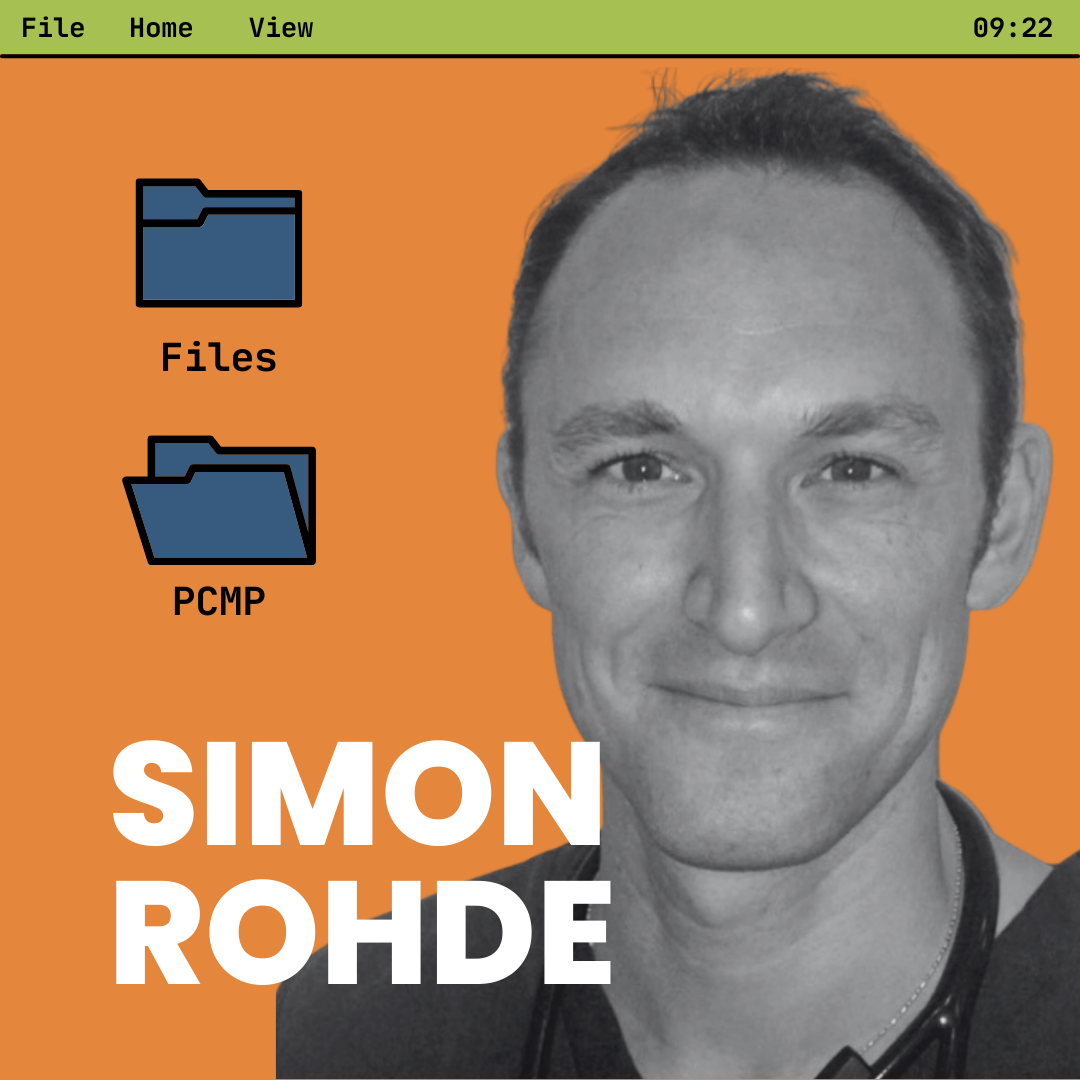
We’re going global on this episode of Walk-Ins Welcome! With Nick out, we’re shaking things up with a special guest: Dr. Simon Rohde, founder of Angel Urgent Care in Brisbane, Australia 🇦🇺
Simon is one of the very few private urgent care clinic owners in the entire country—where urgent care is still a brand-new concept. He’s an Emergency Medicine Specialist with a background in pharmacy and more than a decade in emergency medicine. As the Director of Angel Urgent Care, Simon is passionate about delivering fast, high-quality care and driving innovation in the urgent care space. His focus on improving patient flow, leveraging AI, and building strong healthcare partnerships offers a fresh perspective for U.S. clinic owners.
From building patient trust to using AI tools to stay lean and efficient, this conversation is packed with insights that every urgent care operator can apply.
Topics Covered
🧠 How Simon is educating patients in a market unfamiliar with urgent care
📱 Why AI scribing is helping him cut documentation time dramatically
⭐️ Smart tactics for collecting 5-star Google reviews (and how giveaways could help)
🚪 Door-to-door time expectations in both countries—and why timing matters
📈 The growing role urgent care is playing as a primary care alternative
💡 What U.S. clinics can steal from Australia’s urgent care startup journey
🏥 Simon’s long-term vision to scale through collaboration, not chaos
"Urgent care has only been in Australia for three or four years—it's still so new that most people don’t even know when to come or what we do."
Simon Rohde, Angel Urgent Care
About Simon:
Dr. Simon Rohde is an Emergency Medicine Specialist and Director of Angel Urgent Care in Brisbane. With a background in pharmacy and over a decade of experience in emergency medicine, he is passionate about delivering fast, high-quality care and driving innovation in the urgent care space. His work focuses on improving patient flow, leveraging AI, and building strong partnerships across the healthcare system to reshape how urgent and emergency care are delivered.
👋 Connect with Simon: https://www.linkedin.com/in/dr-simon-rohde-9a8a3698/
🌐 Angel Urgent Care: https://www.urgentcarebne.com.au/
PCMP (00:00)
All right, guys, welcome back to Walk-Ins. Welcome. And we have an interview today. Now, Nick's not here. I'm waving away. He's just not here. So I'm up here on the desk this time. But actually, this is one of the cooler episodes we're going to do because I get to interview somebody from Australia, which is super awesome. Like we have an international audience all of sudden and we're so fantastic. But I actually have an urgent care owner from Australia. So this is Simon Roady. He owns an urgent care called Agent, I'm sorry, Angel Urgent Care out of Brisbane, Australia. I'm sure I'm
I'm mispronouncing things at this point, but it's totally fine. But so glad to have you on Simon. And I know we're going to deep dive in Australia stuff, because I'm very just curious how things differ. But as the icebreaker question goes, what's one thing about you that nobody knows?
Simon (00:44)
I just recently got into DJing, so I've been starting to look at mixing some music together, quite enjoying that. I'm not very musical, I like some beats, so yeah, been sort of exploring that. Yeah, just been good fun.
PCMP (00:53)
Hahaha!
That is
fantastic. So we have a Dr. DJ urgent care, kind of slip that in on the business card when they come in as a patient, you know, if you need some DJ services, I like it. I like it a lot actually.
Simon (01:06)
That's it. Yeah. Mixing
a set in a waiting room. Yeah.
PCMP (01:10)
Yeah, yeah, yeah. Just kind of make things a little more entertaining for sure. You some lights going. Very good. Well, cool. Well, Simon, I'm so glad to have you on the show. I know our audience is going to really enjoy this because I have a great feeling they don't know much about the Australian landscape when it comes to urgent care. And so kind of tell us your story, tell us your background. Why in the world did you get in urgent care? Because I know we were just chatting, like you've been in this urgent care space for about six months, but you've been in the medical for 16 years.
Simon (01:15)
Yeah.
Yeah, thanks.
PCMP (01:37)
So you've been around for a while in this space, but now you're in urgent care. And so I just want to hear like the story behind it and you know, what's Australia actually think of urgent care?
Simon (01:46)
Yeah, thank you. Thanks for having me on. Yeah, look, I started, I'm an emergency specialist in Australia called Emergency Physician. And I guess from Australia point of view, there's sort of two systems, there's a free system called a Medicare system, and there's a private system where people sort of pay out of pocket. So I did my training in emergency in the public system, which was really good. And then I moved into the private emergency space. And I really love that space because
get to look after people the way you want to and do the tests you want to do and the treatment you want to do without being constrained by a government system. And so I trained, worked through there and I worked in some businesses which were sort of independent businesses and one that was not attached to the hospital or not controlled by the hospital. And I really loved that because they could run the business like they want. But unfortunately there's not many of those around the hospitals we call a private hospital or an insurance, a private insurance hospital.
There's only a couple in my city and most of them are controlled by the hospital. So I didn't have a chance to to run one of those and I've always had a bit of a keenness to do business. So when urgent care sort of came along and look, it's only been Australia for three or four years maximum, which is not not like the US.
PCMP (03:04)
Well, we've had it for decades now.
Simon (03:06)
Yeah, you've had it for a long time. I was in the US about 10, 10, 12 years ago. People talk about urgent care. So we sort of knew about this thing, but no one really knew what it was. And then the opportunity came up to buy an urgent care of which there's only probably four in Australia that are privately owned of a private nature where people sort of pay some money out of pocket as opposed to a free service. So opportunity came up and yeah, I took it because I just had the opportunity to go and do business somewhere the way I wanted to do it.
PCMP (03:23)
wow.
Simon (03:36)
not necessarily tied to the few hospitals that were in my city. And so that's the, I guess that's the brief path of how I ended up owning an urgent care.
PCMP (03:45)
mentioning there are four urgent cares.
privately owned urgent cares in Australia right now. So obviously it's very new to Australia. How are people embracing urgent care? it an education? they even know when they walk in, like, am I supposed to be here? What's the expectation from a patient standpoint? Because I know, like you mentioned, ER stuff. But I'm curious what they think urgent care is supposed to be.
Simon (03:50)
Yeah.
Yes, sir. Yeah.
Yeah, that's a really good question. think it's a really new thing in Australia. I should mention there are a lot of, well the government here has launched a whole lot of free urgent cares over the last probably two years. across multiple cities and interestingly we've got an election coming up and the governments who wants to get voted in has promised a whole lot more. So there are sort of two different models. There's the free model and there's an out of pocket model.
PCMP (04:20)
Okay.
Simon (04:36)
But to answer your question, people are here just trying to understand what it is and you go to meet people and they say, what do do? And I've got this and that, what is that? They don't understand when to go. And I guess that's been one of the big challenges we've had is how do you communicate to people what we do and how do you phrase that so that people understand? So I think people are slowly starting to understand, but it takes a while for patient education for people to understand when do I go to a primary care physician? When do I go to the ED? Or we call it ED, you guys call it ER. And when do I come to an urgent care?
PCMP (05:06)
Yeah. I hate to break it to you, we've been doing this for 30 years in this country and we're still educating people on the, like some of our number one blog articles and descriptions is when should you go to an ER? When should you go to an urgent care? Like even today, like it's still a very popular thing. I think people get really confused. Like I've been in a space now long enough. So, well, yeah. I mean, if you're bleeding out, go to an emergency room, but if you're just feeling really bad and it's
And in our world, if your primary care would probably take care of you, your urgent care can most likely take care of you. Like that's been kind of the mindset mostly. It's like we could, urgent care can take care of all the sniffles and basic things and you're not in excessive pain, type of stuff. And then ER for all the other things. Cause from in our country, ER is very expensive. So like when you have an ER patient come in, that's worth thousands, that's costing and worth thousands of dollars versus an urgent care.
know, urgent care. Actually, I'm curious about this. In an urgent care space, an average urgent care is grossing about $200 in revenue off of a patient. They may net 15 to 20 % of that. But so that's average just because of, and that's including co-pays and insurance and all the things. Cash pay is a little different. So I'm curious from your standpoint, is a similar model where it's very cost effective? Like how does that look from your standpoint as the owner of the urgent care?
Simon (06:33)
Yeah, like it can be cost effective. It's probably pretty similar actually, if you take exchange rates into account. So we'll have, we have sort of a co payment system where the patient will pay a proportion and the government will reimburse some of the fees that the doctors, if they're eligible can claim back from the government. So we're probably about the same. Profit wise, I guess we're still getting used to this business and figuring out that sort of thing. So ours is a, it's a
We need a certain number of patients per day to make it a viable business option. I guess from us, it's about whether you can scale up beyond that number. So we're still exploring what is the profit when we get to that point, at some point, hopefully. But I imagine if you're getting decent patient numbers, it's gonna be pretty similar to that in a numbers point of view.
PCMP (07:23)
Yeah,
we find that our urgent care is, of course, location-based. Like California is more expensive to operate in than Alabama would be. But we're finding that 25 patients per day is the break even, where they're not really making money, but they're not losing money per se. then 40 patients per day is a great number to them. Like they're making some money, they can make some headway.
and then it gets chaotic at 60 to 80 patients per day. And they have to at that point say, all right, we got to add doctors or add locations because we can't handle this anymore. Is that similar what you think you're seeing?
Simon (08:01)
Yeah.
Absolutely. I think we would probably be slightly above that. guess we'd sort of be about 30, 35 and then 40 would be good. I agree though, there is a point where efficiency, know, if your biggest expense is your wages and then you have the double number of doctors that you've got or more nurses and it does become, yeah, it may not be worth going to that bigger number. But that's, yeah, probably around that would be the number that we would target.
PCMP (08:11)
Yeah. Yeah.
Yeah. So let's talk about the, cause you're talking about efficiencies. I know you had mentioned in some of things you sent me, talk about using AI where you can. And we're big fans of AI. Like we push AI as much as we can. We're in digital marketing. So like we live and breathe with it at this point. And the medical space, at least in this country, in the medical space, it's very, very, very slow to adopt. It's almost afraid of AI. And they're slowly coming out of their shell about it just because like you had mentioned, like there's efficiencies involved.
Simon (08:40)
Yeah.
Mm. Yeah.
PCMP (09:03)
And if the AI can cut down on wait time or cut down on labor costs and increased accuracy of what the patient's receiving, it's a great thing. talk a little bit like inside your clinic, what are some things you're looking at AI wise that are helping you? And what are some things like, I wish we could have improvements here, but we're just stuck right now.
Simon (09:25)
I think it's a really good question. This is something we've tried to try different things and I think this is something I was looking forward to in business to try these things. Again, the first thing AI, what we're using it for is for AI scribing. So we will use a program where we'll basically take our phone in, we get consent from the patient to do it.
And then we basically have records the conversation and then summarizes it into a text format that you can choose. And then essentially it just, just either inserts it automatically into your notes or you cut and paste into your notes. I guess I was one of the, I was an early adopter, but I still, it just takes a few times to use it. But when you start using it, it just, I mean, I've,
Reasonably quick. think of what I do, but this was unbelievable I mean you'd stand there, you know when you're typing away like this is the biggest waste of my time and then you do our scribing it's literally like Cut paste cut paste and you're done and I think I love it because one I don't have to type to if it's really busy I don't want to go back and think what did that the third patient before this one did they have any allergies to have any medical problems I think they did I can't quite remember and it's all there you can just use like a database of all your information so
I found that it's been fantastic for the A.R. scribing side of things. And just getting people to try it, I think, is the big thing. And just that little hurdle of, you you turn it on, you walk in, and do it every time, get used to it. And then when you're used to it you're comfortable with it, you don't go back. Like, I've not met anyone who's gone, I don't like it, I'm gonna go back. Some people say they like to think through their notes as they type and process, and that's fine, but most people, they haven't tried it either. I think once they try it, they realize you can be at least twice or three times as fast as you were.
because you're just removing those little things that slow you down. So that's what we're for the moment. Sorry.
PCMP (11:11)
Yeah.
I'll say yeah, because I and your and your answer is very consistent with the urgent care. So we talked to their their adopting AI scribing like they they recognize it. That is just one of the things like this is going to speed up and allow me to be a doctor again and skip over some of the paperwork side a little bit. But then taking it like one extra step, we had a an interview a couple weeks ago on here that they have AI that will walk you through the entire intake process where it's actually predicting what the
potential issue is, and then basically presents to the doctor before the doctor even sees the patient. Based on these symptoms, we believe it's this, the doctors then they're like verifying and making sure it makes sense and just helps speed up the process a little bit. But AI is just incredible.
Simon (12:00)
Yeah,
there's some really good programs, and I think we're still in the early phase of that, but there's some more of those diagnostic algorithms that can go through, and I think you wouldn't want to rely on them totally, but there's some really nice ones that'll give you the relevant positives and relevant negatives that the patient has given you, and if you've got the time for the patient to do it, or if you need to, if they're waiting five minutes and they can do it, then I guess we try and...
Unfortunately, we know unfortunately we get people in too fast. We didn't have time to do it So but you know people that are sitting there waiting for five minutes There's no reason why they can't do it and just give you some extra information I think the system's still a little bit clunky in integration side of things, but there's some really nice stuff coming out I agree with you. I think it should be You know you come in your register information you start going through an algorithm of your problem and that presents to the nurse or the doctor is going to see you and then just gives them a heads up of Where you going? I think any problem with that maybe?
So that early diagnostic closure kind of issues though that it might, it might stop you're thinking, if this says you've got appendicitis, you've probably got appendicitis and I've stopped thinking about other things now. I guess that's probably my only concern, but you know, can certainly, probably more of the, you know, the other medical information and it would be really good to get a summary from people using that. Or if you just have so many people, need to get more information quicker than it could be useful for that.
PCMP (13:23)
Yeah, absolutely. Yeah, I think, I mean, we're just on the beginning of AI. who knows where it will be in a few years. We've even talked to some urgent cares where it's basically a staffless urgent care, where they have one person available for anything, but you walk in, you check in, they take you to a exam room and the doctor is on a screen going through it, and then there's one person making sure that all the devices are being checked and all that stuff. So,
that's like extreme, right? Like that's, that's allowing that doctor to be completely mobile. It's weird. I don't know how it's going to go, but it felt very sci-fi.
Simon (14:03)
It is interesting,
think with the, we call it telehealth here, I'm not sure what you guys call it in America, it is very interesting when you start to look at that space and you really think like, when I examine a patient, what am I getting that I can't do via imaging or some special app that tests your cough? There's lots of little things around now. So I think that space is coming and yeah, probably not 100%, but if you can't get doctors there, then it's probably better than nothing.
PCMP (14:07)
Yeah, yeah.
Yeah, exactly. So let's go back to Australia for a second, because I think there's so many fascinating things there. Now, one of the biggest challenges that urgent cares face is people, I don't know if this is an issue in Australia not. people in an urgent care space, getting Google reviews is a big deal. Like you want to make sure you have lots of Google reviews. We even tell urgent cares,
If you're not getting close to a thousand reviews on Google, you're not doing it right because that's the standard that we have here for the urgent care space. Now, if it was like a roofer or some like a home service, 50 reviews is good, but a thousand is what you expect out of an urgent care, which is just crazy to me. But we find that most urgent cares, they can get the reviews, but they have challenges getting that five star review.
because there's lots of people that will do a one-star review because they a bad experience and the five stars are just harder to get by. Because they're just like, had a good time, but I'm not going to leave your view. So do you face a similar thing where people have a love-hate relationship with the experience, even though technically nothing bad happened?
Simon (15:33)
Yeah, definitely.
That's really interesting. Yeah. we, one of my goals when we started the business, I was trying to think of an objective way to classify us. And I said to the team, like, we want to get the most five-star Google reviews in our city for any emergency or urgent care. And when I bought the business, they had a pretty good track record, actually. Not too bad. They had a lot of good reviews, I must say. And we started off with, how do we do it? You know, do we ask people, we put a little disc on the desk.
with a QR code for people to scan and it just didn't go anywhere. And the receptionist seemed very hesitant to ask people and you know, it wasn't much. So then, but then we, um, we actually integrated into our system a follow-up. Um, I'm sure what you guys call it, but an SMS, text message the next day. And one of the things we put on there was a Google review request. And as a lot of people do, and someone said to me, look, if someone's going to leave a negative review, they're going to do it. They will find a way to complain. They're always going to do it. So you might as well just put it out there and
PCMP (16:18)
Yep. Yep.
Yeah, they're always going to do it.
Simon (16:31)
since we did that, our Google reviews have shot up. We went from, I think we've gained 100 reviews in the last month, so now we're sitting at like 884, and when I started we were about 780 something. And so over six months we'd got about 10, 15, and then we just shot up. And it is very polarizing, it's either five or it's one. And look, it's good because
PCMP (16:42)
Nice.
Yeah.
Simon (17:01)
the ones you could just go back and find out what did we do wrong or did we do something wrong or maybe they're just, you know, it's them but it is a good review but it's, and I think that's been our most effective way to get lots of reviews quickly and people are happy they're usually, they'll click on.
PCMP (17:17)
Yeah, and I agree with that. we tell all of our... We actually used to even have a service that could send out SMS to people, but then all the EMRs and EHRs software integrated that. So we just tell them, chances are your software has this button that you can turn on and it will send out a text at a certain time. And it works, but we find that taking it one extra step is to do a giveaway. We've actually find that some of our most...
successful giveaways where Urgent Care is getting more reviews is in America, we like to, we're big fans of Yeti coolers and stuff like that. I don't know if that exists over there, but like the $300 very overpriced cooler and they just, and they put stuff in and they put it right there at the front desk and say, enter for a chance to win this cooler, please leave us a Google review. And they put a QR code type thing or one of these little scan cards where they just tap their phone NFC.
Simon (17:54)
They do it, yeah.
PCMP (18:13)
And now they say, we're going to do a drawing once a month and we just pick out from the reviews from the past 30 days and you may win. And so that's actually been very successful. One of our clients is pushing like over 2000 reviews and five out of five across the board, except for maybe five or six total of the 2000. So like they run a great business, but they say that we can consistently run little giveaways like that. I say little, couple hundred bucks, but
It works. it's like I said, just incentivize a little bit more. So just a little thing to give you there. Like if you start to see your reviews start going back down in terms of volume, throw in a giveaway of some sort. Tends to work out. Yeah, exactly. I mean, it's a small, from your standpoint, it's a small investment because the return could be huge when you're now pushing a thousand, you know, that helps your SEO, helps all the things.
Simon (18:54)
I think we'll do it anyway. It's a great idea.
PCMP (19:09)
and just convinces people that you are the right place to go to. yeah, so I'm just so fascinated on, if you were going to name off a chant, like the biggest challenge that you seem to be facing in the urgent care space that you weren't expecting when you started, because you said you've been in medical for 16 years, so you've seen a lot. What's the number one thing in urgent care, like, why did nobody tell me about this? I should have known better.
Simon (19:12)
Yeah, great idea. Thank you.
PCMP (19:38)
Anything that comes to mind? Yeah, just from a pure like running an urgent care, like where does some of the challenges that you had no idea that were coming down the pipe?
Simon (19:40)
from the business perspective or from the clinical perspective? Yeah.
I think the biggest thing I've found was trying to get patients through the door and trying to understand how to do that. And I think I'd read a lot of business books about, you know, advertising and processes and all that sort of thing and testing different techniques. And I think when we picked up the business, the numbers dropped very quickly and
We spent six months tracing our tail, trying to figure out why and how to fix it. And within a budget of trying to, you how much money do you spend on trying to get people in the door? And you get to a point of sort of almost desperation where you're multiple things at once and then you don't know which one's working or are they working? Is it just gonna take time? So I think marketing's probably been the biggest thing that I've found the hardest. And just trying to...
understand, you know, is it socials, is it Google, is it billboards, is it referrals, like how do you get to people and tell them about your service and they get them to come in. I'm still struggling with that because, know, like even this week we met with one of our marketing companies and I said, look, I tried something, I tried putting some old Google ads on and they said, well,
We also did your SEO uplift this week and you had a billboard up and you spent money on Google ads. So, and I said, our numbers were good. And they're like, well, which one was that changed? said, I don't know, because we did to me things at once. but when your numbers are down or you're trying to turn a profit and not making a consistent loss, you, you, you sort of trying all these things and then to know which one it is, that's the thing I found the hardest. Like, how do you know where to spend your, your precious money?
PCMP (21:28)
Yes.
Yeah, I, and I think you that particular thing you're talking about is a very common challenge because I mean, in our world 20 years ago, you take out an ad and yellow pages and you're golden and that's all gone. Like that world is completely gone. But now we've entered the space of multi-channel marketing. Like how many things can I go after? You know, we're digital, so we're always going to be biased, but yeah.
Simon (21:43)
Yeah.
PCMP (21:56)
At the end of the day, it's one of those, how do people find you? Why are they finding you? One of the things I recently went to an Experity Conference a couple of weeks ago, which is a big EMR here in America. And they talked about the patient journey. And the patient journey starts on the couch on their phone, because they're sitting there, waking up sick, and they need to go find an urgent care. And that's where they start, and then that's where they end, because they come back to their home with their medications, hopefully.
and they're starting to feel better. And so thinking through that patient journey of where does it look like from the very time they interact with you on their phone to when they come back home and you get that last interaction, like you said, like a text message asking for a review. So kind of thinking through that process would make sense because in like in our world, so you mentioned like billboards and so forth. It's like we recognize billboards as branding, like giving some trust out there. So it rarely turns into a patient because
that billboard is very relevant if the billboards right above your urgent care. Makes more sense like, come here, like I can help you, but are they actually sick? Maybe, maybe not. Because they're not actively looking. They're just driving by or walking by. And then radio is similar. Radio can have some potential there, but once again, it's like, it's all about the sense of urgency. if there's not a demand, like I'm not going to ever search for an urgent care unless I'm actually sick. Like that's just the mindset. So that's how we view it. And that's how
all the others view it's like it all starts with that phone sitting on the couch, not feeling good or sitting on the bed, not feeling good. So yeah, but I agree. Like it's one of those hard challenges because the second you like, if I figure out this magic marketing bullet, then I don't have to worry about my patient volume again. Like I can just turn out the like, I need more patients tomorrow. Let me just turn the budget up. Yeah, I got enough. Let me turn it back down. You know, that'd be, that'd be ideal, wouldn't it?
Simon (23:48)
Yeah,
I think that's one of the challenges we had in the beginning, because we talked to a few different marketing agencies and the question was awareness versus on the spot. And I guess that's the thing, we went for the kind of people looking up and eating us on the day at the spot, we also wondered about people just understanding that we were there and understanding that the next time to think of us and interestingly, I was looking through our stats of why people come and about, it fluctuates probably between 15 and 20%.
friends or family that refer and that's probably people that have been there in the past but also just being aware that there is a place you can go so that someone mentions it to you and says, hey, you've broken your arm, where should I go? Well, you can go to the urgent care, you don't have to go to the ED and wait for 10 hours for somebody. So yeah, we sort of battled between, we initially went for the, you know, I'm gonna need someone right now, so now we're sort of trying to build that brand a little bit so people know that there's an option and like you said, that trust factor of.
can I trust these people to look after me? Because really, I think it was well the experience of, don't know what it's like even in your waiting room, but I know it's like inside, why would I go there and spend money to see you? But we often find people once they've been there, I think it's amazing. And they say, well, that was great. I don't know why it didn't come before. And so trying to educate people on what's gonna actually happen when they get in the door through photos, through video, that's things they feel comfortable to go in there and they know who they're dealing with.
PCMP (25:13)
Yeah, we went through a transition where urgent care was viewed very negatively for a while. It was very cheap, like value based. And there's challenges around that. For a long time, urgent cares were called just dock in a box. And that mindset, dock in a box, just automatically lowers the quality of expectations, right? Nowadays, that phrasing is gone. You don't hear it anymore.
Simon (25:23)
Hmm. Yeah.
Okay.
PCMP (25:42)
And we're facing a weird spot where primary care is starting to lose its luster. And so we're getting like fewer graduation rates from primary care physicians, which is going to cause other issues in a couple of years. And we're basically urgent care starting to replace primary care, which is a big deal because primary care used to be your doctor. And now it's becoming, I need a doctor. And so it's just very fascinating how it's all happening right now.
But I'm really just amazed how even though we're on different sides of the globe right now, the similarities are very high. Like people just react a certain way to things. So it's just very interesting. I do have one quick question. Go ahead, go ahead.
Simon (26:22)
Yeah,
I was gonna say we have an interesting, I guess that what you're saying about the dock and a box thing. we, in Australia, we have to become a primary care physician. need to do a training program, pass an exam, get your qualifications to be an emergency physician. have to go through the, what you would call a board certified program. But for urgent care, we don't have one. And so a lot of us are, we're borrowing actually, we're using the New Zealand, which is a country next to Australia. We're using their.
fellowship I've just, I'm just about to finish mine, which I've just decided to do as well. So we've got this thing where, you know, again, people, can be any doctor can work in urgent care. So as opposed to someone who's highly skilled, like all of my doctors have got emergency experience, they're highly trained. And so we offer a high value, but then you could have another one, which is a government run one, which might have a second year out doctor. So
there's no standardization and that makes it hard to put across that we are high value, we've got good skills, we know what we're doing because there's no standardization. You can't say we are fellows or board members of this particular college or board like you guys have. So it's hard to get across that value proposition that we are, you know, sort of specialists or experts in your field. But as we grow, I'm hoping in Australia, we've got some people doing some great work trying to, you know, get a board or we call them a college.
so that we can have this sort of standardized, high skill qualification that people can recognize when you go to these places, you're gonna see someone who's really good at what they do and handling these sort of presentations.
PCMP (27:58)
Yeah. I mean, that's kind of wild that have to go to New Zealand. That's kind of fantastic. Yeah.
Simon (28:02)
They've been very nice to have us. But I think it's sort of a surrogate,
know, we're pretty close with New Zealand on a lot of things medically. So yeah, hopefully it'll come across.
PCMP (28:11)
New Zealand ought to just do some type of program that's like, you want to do urgent care here, come over here. We'll give you a bunch of funding to go start an urgent care here and then come back to Australia. So I will say like an urgent care space here, we have lots of nurse practitioners in the mix, very common. And then we may have an actual MD that overlooks things on the urgent care space. So that's, and a lot of our states require like
50 % of the ownership of the urgent care, have to be an MD of some sort type of thing. So they try to force it in some states, they don't care. But it is a state per se thing. All right, so the last question to get into, well, second to last question is, to the metrics that urgent care focuses on in the US is door to door time and net promoter score. Is that something that you guys focus on at all? And if you do, what does that look like?
Simon (29:09)
Door-to-door time I do you know because part of our service is a premium service, and it's about time You know how quickly can you get people in and out because we we think people value their time? Very highly and that's why they are paying the money so they don't go and sit in the ER for Six or eight hours for something that could be sorted out in half an hour
So from that point of view, we definitely focus on that. What I say, I'm measuring that metric at the moment, not specifically, because I know we're very quick. At the point in time when we get all the other stuff sorted out, then I might start focusing on that, but you can tell how quick you are from just being there and seeing how quickly things flow. So yeah, that's something we're aware of. What'd I say, we're measuring it? Probably not.
PCMP (29:54)
So it's interesting.
the door to door time urgent cares are very focused on. so what they've learned is, I think I want to say 38 to 43 minutes is the ideal time. If it's below 30 minutes or below 35 minutes, the value starts to be questioned. Where is this good quality? Did you move me too fast? And then above 50 minutes is I've been here too long.
So it's like that 38 to 43 apparently is like the magic number as what we've heard. Which is crazy.
Simon (30:30)
That's sort of interesting.
We actually had someone complain that they were there too quick the other day. I was like, you had unbelievable service. You see a specialist within two minutes. You had an X-ray within 10. You had some antibiotics organized within three minutes after that and you were out. And then to complain it was too short. I think you're right. It's bizarre, but it's, yeah.
PCMP (30:38)
Yeah.
What? I get it. I get
it.
Simon (31:00)
Yeah, and I agree, but I think those people, I don't think they may just not understand the value of time, I think. I can't probably educate them on that in that very short period of time that they're there. But yeah, but I think too long, like we have, I guess the challenge most of the time with too long is it's often for us, and I bet you guys with imaging is often the thing that slows things down. We are very fortunate that, and one reason I bought this particular one is we have a radiology literally next door.
PCMP (31:21)
Yeah. Yep.
Simon (31:28)
and they're very kind to us to be there. mirror their hours or they mirror ours. So, for example, we'll get CT scans, but then we may not get a report for an hour or longer. So then you're waiting for that and you're trying to tell the patient, like, we're getting this great imaging modality, but it's gonna take a little bit of time. Most people are okay with that. think if you can explain to them that, you're getting the service pretty quick anyway. But you don't wanna be there too long. And if you've only got limited space as well, we don't want people...
PCMP (31:29)
Nice.
Simon (31:59)
blocking up a chair from your flow point of view.
PCMP (32:02)
yeah, for sure. On the net promoter score, is that something you guys keep up with or look at much?
Simon (32:07)
Not particularly, I must say. I haven't measured that metric, but if you're about the SEO rankings, is that essentially what that is?
PCMP (32:13)
Then,
so Net Promoter Score is basically a very, like an extensive review where they get sent multiple questions about the quality of the care, what are their expectations. Yeah. I mean, it may be called something different there.
Simon (32:19)
Okay.
Oh, sorry. Sorry, no, no, we haven't.
Not formally, I guess that's something we could do at some point in time. But no, not at the moment. think it's always good to get feedback from people. we must say the way we set up ours is either our nurses or our doctors will ring people the next day. We try and ring everyone as a part of a patient care, customer care.
PCMP (32:34)
Yeah.
That's really good.
Simon (32:49)
Yeah, we get we usually do get through everybody and I guess we'll usually ask them then there's some really great questions about that sort of thing of how you phrase those questions about, know, I'm glad you had a great time. But if you thought we could, you know, make your experience amazing, what would you say and trying to get those questions out of people but we don't all answers should say we don't have a formal sort of process of questionnaire that we did more of just a discussion then there's usually some feedback like
one of the nurses will say, look, I spoke to a patient XYZ and they said it was great, but you know, could have improved this or could have improved that. And then we go, okay, well let's have a look at how we can do that then next time.
PCMP (33:26)
Yeah, yeah. And it's just one of those things that you measure over time just to see if you make some improvements, of course. Well, cool. All right. Last question, then we'll wrap up. So you've been in the Angel Urgent Care for six months now. What's your vision for the next two to five years of it? Do you plan to add locations or just stay where you are? What's your vision with?
Simon (33:29)
you
For me, I want this one obviously to grow to a point where we're sustainable and doing well and trying to find that nice balance, being not too busy but busy enough. Beyond that, think, and as you probably owner-occupier or owner sort of operators, it's hectic. It is really hard running everything and doing it all on your own. It's really hard. And talking to some other of my colleagues who...
PCMP (34:14)
Yes.
Simon (34:18)
they expand in other areas to other businesses where they can start to get a practice manager, where they can get a marketing team, where they can get a, you know, CIO. And I guess what I would personally like to do, I'd actually talk to some other people about, you know, cooperating in other opportunities where we're within like a bigger organization. So I think for me personally, I would like to have more of these, but I would do it in collaboration with another organization or with other people that are already doing things just to bring in that.
Efficiency of scale because I can definitely see the advantage because when you're doing everything yourself, it's really hard and I don't I think you can either go and run multiple on your own and do that or you can team up with other people so Personally, I would like to you know in the city where I am I would we could at least put another three in And have the sort of the four quarters of the city Covered but I would do it with with someone else to sort of bring in that experience and the manpower
So that'd be my aim to have probably three or four of these in my city and running them well and being able enjoy the experience and have a little bit more time to look at running the business and then work on the business rather than just doing the nuts and bolts.
PCMP (35:32)
And you're spot on because so we find so we work with a lot of multi location urgent cares. We find that three to five urgent care locations is when the the doctor owner is allowed to step back a little bit and just let and run the business not so much the business run them. And then their goal is to get closer to 10. Once they get to 10 things start to get more complicated. They have to bring in additional people at a higher level may have to bring in private equity.
of some sort, some type of investors, because now there's a lot of cash moving. And then they kind of play this game, because in our world, once you get to that 10 to 20 urgent care space, you start being eyed by larger urgent cares to be gobbled up, which isn't a bad thing, it's just the nature of it. But it's common. We see it all the time where we'll have a five to 10 location urgent care grow a little bit, and then where'd they go? And then we find out a larger urgent care just soaked them right up.
Our largest urgent care is American Family Care. So they have like 400 locations and I'm sure they've acquired things over time. I make this joke, like they should, since they're called AFC, they should just go to Australia and just have Australia Family Care and it'd be all the same, right? Same branding.
Simon (36:46)
Yeah, we do have those sort of organisations here in the primary care space and I think they will also do this as well. Yeah, I think that will start to, yeah.
PCMP (36:52)
Yeah, exactly.
And, you know, Australia is a much tighter space than America. like in Australia, I mean, America, most urgent cares operate off of like a two to five mile radius in most cities. so they really, unless like in New York, it's like this by blocks. But most like normal cities, like two to five mile radius, in your situation, you could probably be much tighter. I imagine you could probably do one to three mile radiuses and before you have another urgent care in your
Simon (37:19)
Our population is a bit more spread out. We're not so vertical. We're more horizontal. So yeah, we would need a bigger space in that I think. it's probably, yeah, it probably is maybe five miles. Yeah, probably about that.
PCMP (37:22)
Okay.
Okay,
yeah. Yeah, so it's a little different in some capacities. Well, cool. Well, I know we're running out of time. Simon, thanks again for coming on and kind of exposing to our audience what Australia is doing in the urgent care space because it's honestly you're on the cutting edge, right? There's like one of four privately owned ones and you happen to be one of them. So it's just really cool to see that coming about. And honestly, it's kind of cool to hear you're having the same challenges that we have here. So doesn't matter where you are in the world, similar challenges are happening.
Simon (37:35)
Hmm.
PCMP (38:00)
So I don't know if it's a good or bad thing for our audience to hear, but yeah.
Simon (38:04)
Yeah, I was always there. Thanks for having me on. actually, it's, you know, I've got a lot more. I didn't even, I wasn't even aware that there was this sort of podcast until you guys reached out. And then, um, I've learned so much from, I was like, Oh wow, there's someone that can actually help me who knows more about this than I do. And especially in this space, cause there's nothing like this, like what you do in Australia. So it's been fantastic. You should get on your podcast and listen to all your podcasts. I've learned a lot. So I've got, I've got a lot more out of this than you have for me, I'm sure.
PCMP (38:14)
Yeah.
Yeah.
Well, and there's lots, I'll encourage you. There's lots of episodes and lots of different things. We even do a monthly webinar that we deep dive on certain items for about an hour. But anyway, we can add you to the list, but thank you again, Simon. Yeah, yeah. Thank you again, Simon, for coming on. Any parting words?
Simon (38:42)
I'd love to. I would absolutely love to.
No, just want to say thanks for opportunity and yeah, I this space keeps growing.
PCMP (38:53)
Awesome. All right, audience. Thank you all for taking a listen and we'll catch you next week. See you.